


“What on earth is magnesium oil?” That was Ro’s reaction when a naturopath first suggested it to her.
This 2017 entry records the experiment that followed: reading, questioning and trying an inexpensive homemade magnesium-chloride solution on her skin.
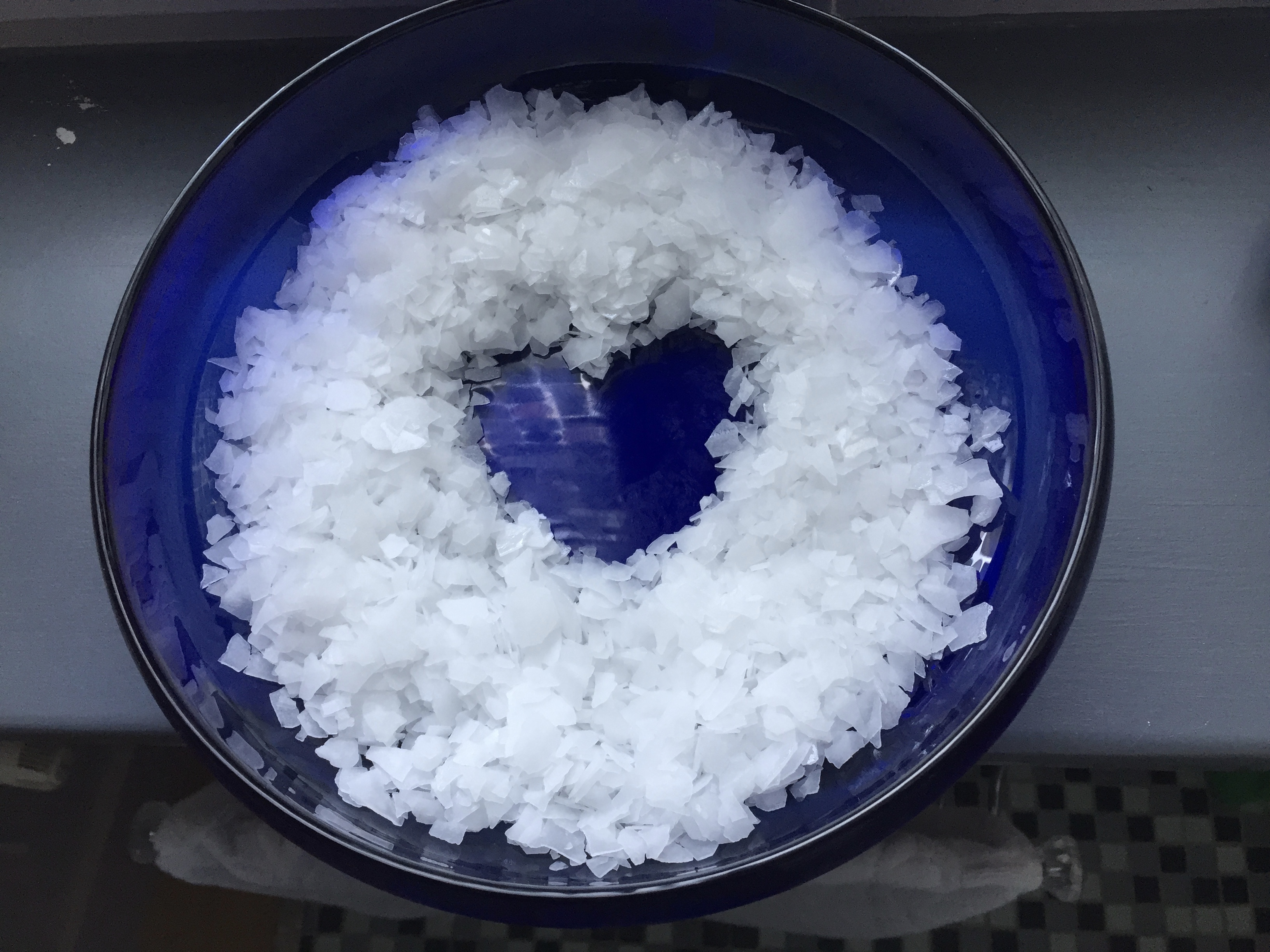
Ro’s original experiment
Ro was reluctant to buy an expensive bottle without knowing whether she would like it, so she explored making a simple solution herself.
- What she used
Pure magnesium chloride flakes and filtered or food-grade distilled water. - How she made it
She dissolved the flakes in hot water, allowed the solution to cool and stored it in a clean glass spray bottle.
For external use only. This describes Ro’s historical experiment, not a treatment recommendation.
What the evidence can—and cannot—say
Magnesium supports many normal functions in the body. The established ways to obtain it are food and, when appropriate, clinician-guided supplements. Claims that topical magnesium treats hypertension, osteoporosis, pain, anxiety or deficiency are not established well enough to present as fact.
A 2017 scientific review concluded that promotional claims about transdermal magnesium were not supported by robust evidence. Skin products may still feel pleasant, but that is different from treating a medical condition.
If you choose to try a skin product
- Patch-test a small area first.
- Stop if it burns, stings persistently or causes a rash.
- Keep away from broken skin, eyes and mucous membranes.
- Ask a pharmacist or clinician if you have kidney disease, take medication or suspect deficiency.
Curiosity—with care
Ro’s instinct to question price, packaging and bold claims still feels very NOSH ROCKS. The kind next step is to stay curious without turning a personal experiment into a medical promise.